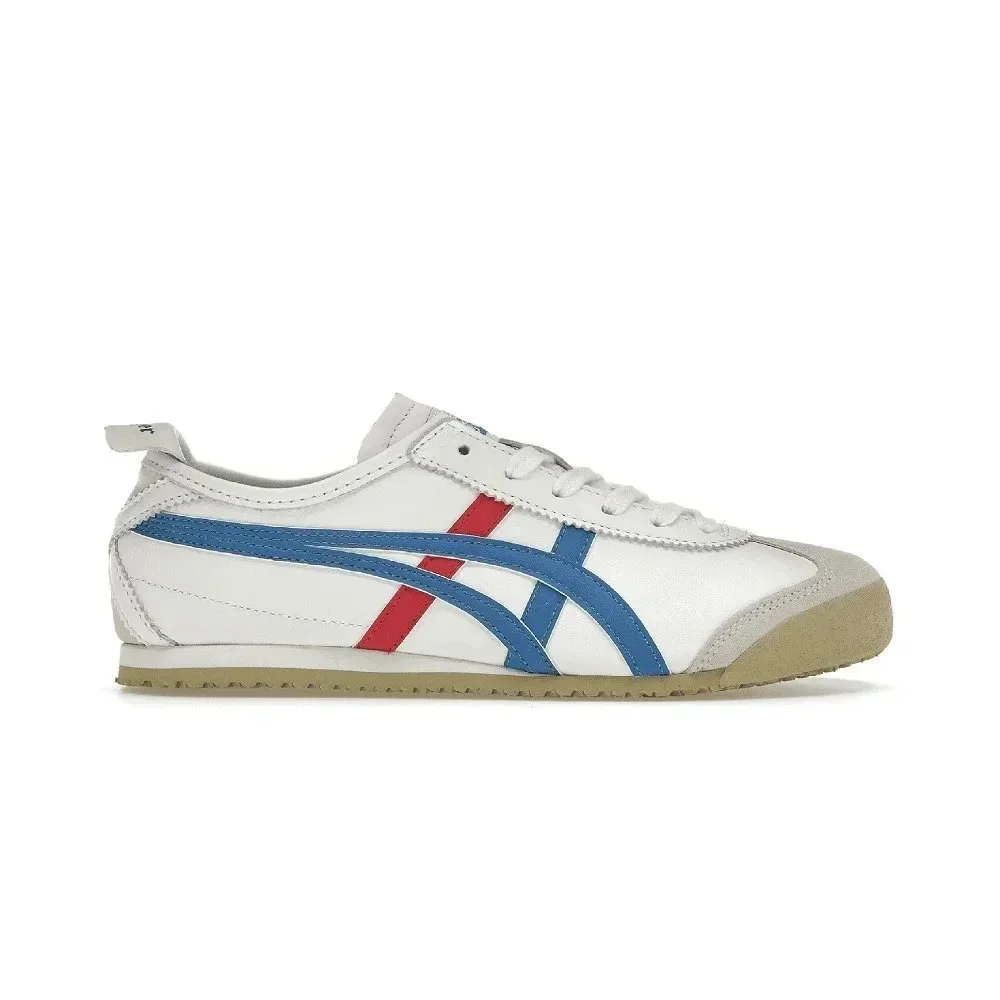
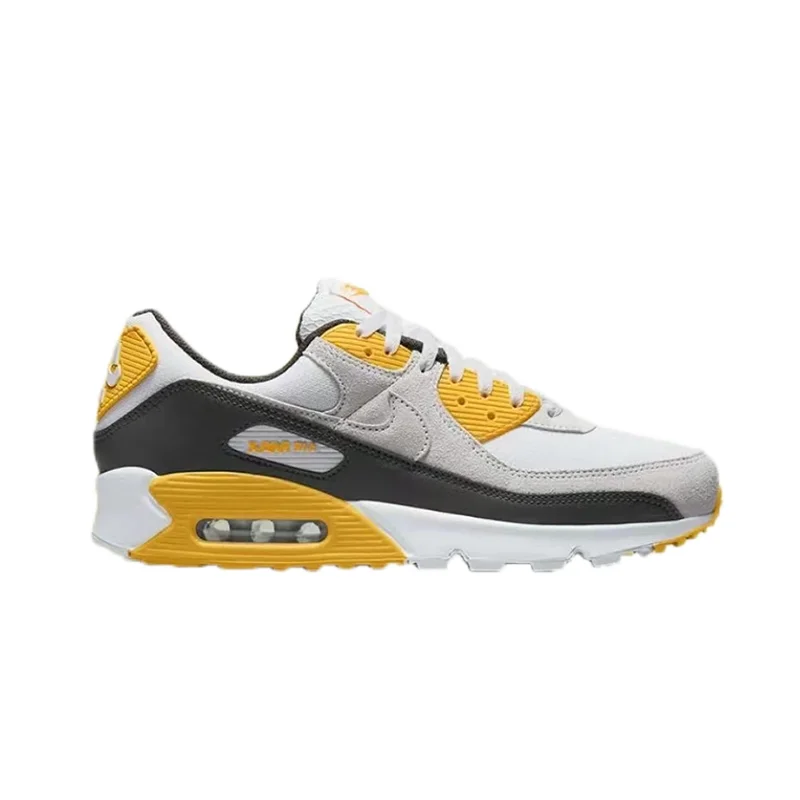
Compare the shoe shape, then check the measurement definition. Foot length, insole length and a printed size label describe different things.
Okeyhaul SpreadsheetPublished Updated
Product imagery from our shoes selection.On this page
Compare a shoe’s visible shape and its size information as two separate checks. Photos help you shortlist a toe shape, upper and sole profile. Measurements and the chart for the exact model help you evaluate fit. A familiar UK, US or EU number cannot complete both checks.
Compare the silhouette before the size label
Start with the features visible in the listing: the toe outline, upper height, sole profile and fastening. Compare similar views rather than a side view of one pair with a top view of another. A low profile and a substantial sole can look different under the same trouser hem; the preferred outline is a styling choice, not proof of comfort or support.
Use the shoe selection to compare different silhouettes. Open an item to check its own model, color, listed sizes and available photo references before saving it.
Measure both feet and identify the chart definition
Nike’s footwear chart instructs readers to measure both feet and use the longer foot-length measurement. It also distinguishes the CM size printed on a shoe label from measured foot length. adidas’s footwear chart similarly identifies heel-to-toe measurements alongside the regional size labels. These are examples of how brands define their own charts, not conversion rules for every listing.
For the pair you want, identify what the seller’s chart measures before comparing numbers:
Figure
What you need to establish
Foot length
The heel-to-toe measurement the chart asks you to supply
Insole length
A measurement of a shoe component, rather than your foot
UK, US or EU label
The correct chart, model and sizing range for that option
Width information
The stated width or relevant measurement, where provided
For an illustrative example, suppose your feet measure 26.4 cm and 26.7 cm. The longer measurement is 26.7 cm. If the relevant chart asks for foot length, compare that number with its instructions. An unrelated listing’s 27 cm insole figure does not provide a universal size conversion. These numbers are an example, not a size recommendation.
Keep the model and variant with the measurement
Save the complete model, color and size option together. Two listings can use a similar product-family name while showing different variants. A measurement from one pair should not silently become the specification for the other.
If the definition is missing, a useful question is: “Does this chart show foot length or insole length? My longer foot measures ___ cm. Is width information available for this model?” Keep the reply with the exact listing you compared.
Read photo references in their original context
A front, side and sole view can answer different visual questions. A readable size label adds context, while a ruler image needs visible units and understandable placement. Shared QC may show another size or an earlier order; the number of photos does not establish that every pair fits the same way.
The photo comparison article explains the different roles of seller, QC and arrival views. The Okeyhaul inspection guide covers warehouse checks and what to do about a concern with your own order.
Save a usable shortlist
Record the model and variant, chart definition, relevant measurements, item reference price and any unanswered question. Treat fit, appearance and delivered cost as separate parts of the comparison.
The historical summer arrival album provides an example of footwear within a mixed order. Its buyer’s fit notes describe that person’s experience. Return to the shoe category to compare your own candidates, and use the freight guide when planning delivery costs.
Create a repeatable foot-length record
Use the measuring method requested by the chart you intend to consult. Nike’s published method uses paper secured to a hard surface, standing with balanced weight, and marks for the toe and heel; the distance between those marks records foot length. It asks for both feet and uses the longer result. This is a way to obtain the input for that chart, not permission to apply its size conversions to every product.
Record the unit and the two results instead of saving only a remembered shoe size. If you measure again, use the same method so you can understand a difference. A hurried measurement with a tilted pen and another taken with clearly marked endpoints are not necessarily comparable observations. The aim is a usable record, rather than an impressive number of decimal places.
Identify the measurement the exact chart requests.
Measure both feet with the same stated method.
Record the left and right results with units.
Use the chart’s own instructions for the relevant measurement and sizing range.
Keep width and shape questions separate if the chart does not answer them.
Worked example: why two centimetre figures cannot choose a size
Suppose the longer of two measured feet is 26.7 cm. Listing A gives a column labelled foot length; listing B gives a 27.5 cm insole measurement; listing C shows only EU labels. These are hypothetical records. The question is which information is missing, not which numerical label looks closest to 26.7.
Candidate
What is known
What remains to establish
A: chart identifies foot length
The chart requests the same type of measurement as the foot record.
The exact model, sizing range and instructions for choosing a listed option.
B: insole length 27.5 cm
A component has a stated length.
How the seller relates that component measurement to foot length and the selected size.
C: EU labels only
The available regional labels are shown.
The size chart and measurement definition for this model.
Subtracting 26.7 from 27.5 gives 0.8 cm, but that arithmetic does not establish an appropriate allowance or a size recommendation. The figures concern a foot and a shoe component with potentially different measurement paths. Ask how the seller defines and uses the insole measurement before transferring it into a foot-length decision.
If A supplies its chart and B does not explain the relationship, A is better documented for this particular check. That is a statement about the information available, not a test of either shoe’s comfort, authenticity or construction. Keep that distinction in the record so you can make the next inquiry accurately.
Look beyond length when comparing the shape
Two shoes can have similar listed lengths while differing in toe outline, upper shape, fastening and stated width. Compare top views for the toe area and side views for the upper and sole profile. If width information is important to you, look for a defined width or an explanation tied to that model instead of assuming that a longer size resolves every shape question.
Your existing comfortable pair can provide a descriptive reference: a rounded front, a broad-looking forefoot or a fastening you can adjust. Note what you like about it. Its size label and exterior sole length are not automatically the measurements another model’s chart requests. A reference helps you formulate the question; it does not replace the new model’s specifications.
Also record how you intend to use the pair, including the socks you plan to wear and the type of fit you prefer. These details can explain why two buyers describe the same model differently. They do not create a universal adjustment such as always adding one size. Use the exact chart and any model-specific guidance rather than a blanket rule.
Read a ruler photograph from the endpoints outward
Before taking a number from a ruler image, identify the object being measured. Is it a removable insole, the exterior outsole or the space inside the shoe? Then locate the starting and ending points, the unit marks and the size label for that item. A clearly visible ruler does not answer the question if it measures a different object.
For an insole image, ask whether the item is laid flat and whether both ends can be seen. For an outsole image, remember that it describes the outside component shown. If the zero mark or the end is hidden, request an unobstructed view or a written definition. Do not make up the concealed portion to turn an unclear photo into a precise length.
Keep a screenshot or note of the measurement context with the number. A bare “27.5” in a shortlist becomes difficult to interpret later. “Insole, size shown on label, centimetres, endpoints visible” preserves the information needed to compare it with another record or ask a focused follow-up.
Build a shoe comparison record before choosing
A usable record contains the exact model, selected version and size range, the chart definition, the two foot measurements, any model-specific width information, and the source of the photo reference. Record the item price separately from delivery planning. This is enough structure to expose the missing question without turning a simple comparison into a collection of unrelated measurements.
For example, the remaining question might be: “For this exact model and size range, is the centimetre column measured foot length or insole length? My longer foot measures 26.7 cm using the stated method. What width information is available?” The answer should identify the same listing. A general answer about the brand is less useful if the seller offers several versions.
Use the shoe category for visual candidates and the photo evidence checklist for another view. Once you have placed an order, questions about checking your actual pair belong in the warehouse-inspection process, where the received item and its selected option are the reference.
Questions that a shoe label cannot answer alone
Do the same EU numbers mean the same fit? Use the chart for the exact model and range. A familiar regional label identifies an option, but does not describe its complete shape or how it relates to the measurement you supplied.
Can I reuse another buyer’s ruler photo? You can use it as a reference for the photographed size and measurement. Check the label and endpoints; do not silently apply its number to a different size or current order.
Does a QC photo confirm comfort? It can show visible details of the photographed pair. Comfort is an experience in use, and the warehouse’s inspection scope is a separate question. Resolve visible size-label or damage concerns through your own order before international dispatch.
Sources & editorial notes
Checked on . This article combines independently written analysis with the published evidence below.
The distinction between the CM label and foot length, and measuring both feet to use the longer foot-length measurement. The article does not apply Nike conversions to other listings.
A chart example that identifies heel-to-toe measurements alongside UK, EU and US size labels. It does not verify the dimensions or fit of products in this selection.
Examples and interpretations are identified in the text. Research findings do not establish the quality, availability or performance of individual products in our selection.
Use seller images for the listed design, QC photos for visible inspection details and buyer photos for a historical order. Check the variant and context each time.